LITTLE BIG BEE | MIXMIX SELECTS
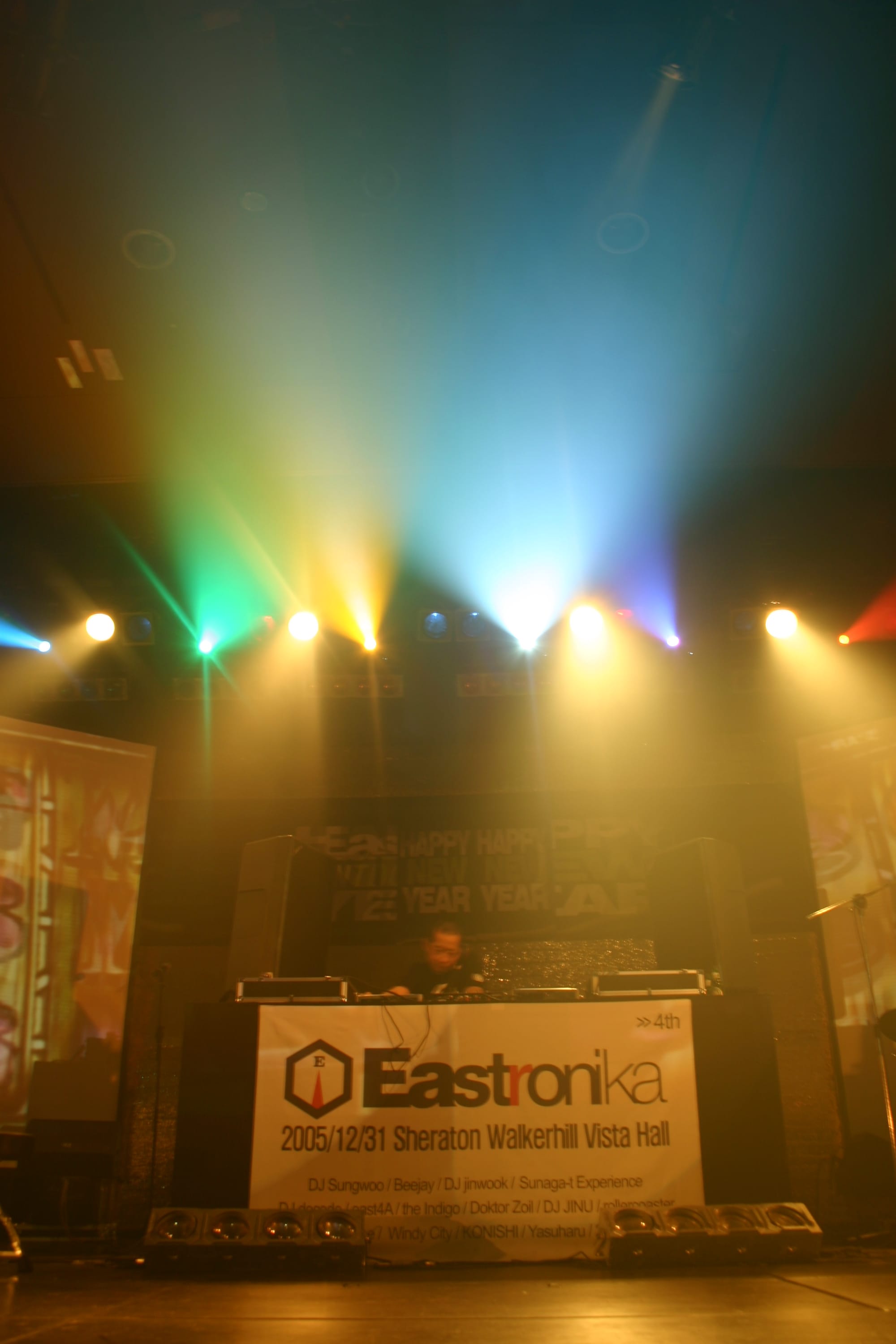
A fax around 2004 turned into Eastronika. Twenty years on, LITTLE BIG BEE talks about Flower Records, Japanese music that was soft but danceable, and clubs that changed genre every night.

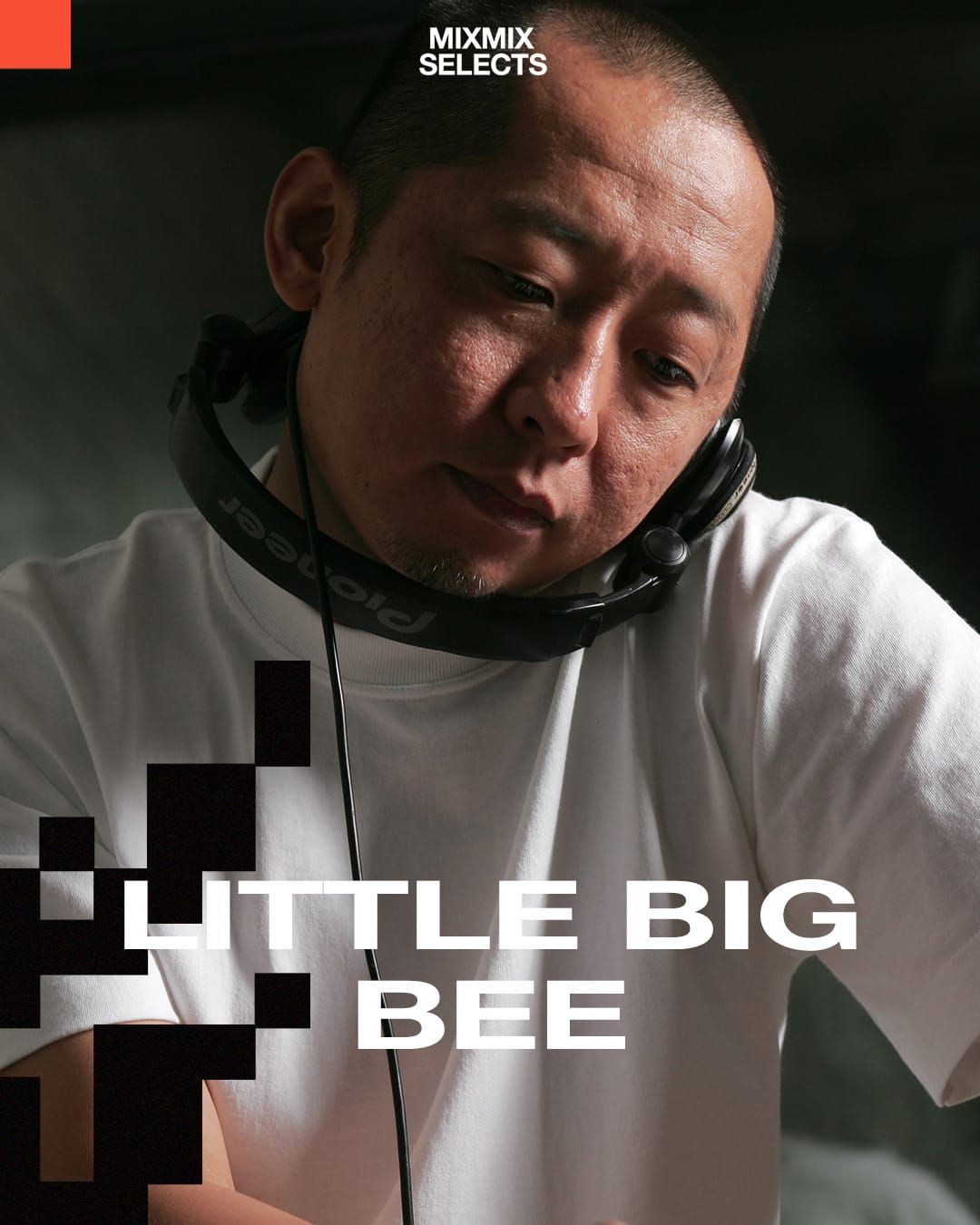
LITTLE BIG BEE (Eitetsu Takamiya) DJs mostly in Tokyo and started the label Flower Records in 1995. LITTLE BIG BEE is also a trio, with PLAZA Fujisaki and Kenji Jinguji. Takamiya is the voice in this talk, and this piece uses LITTLE BIG BEE throughout. LITTLE BIG BEE was part of Eastronika, the 2005 compilation that brought Korean and Japanese electronic musicians together, and on November 6, 2026 played '20 YEARS AFTER EASTRONIKA' at XIMXIM in Seongsu with Sunaga t Experience, Beejay, DJ Jinwook and LeNoir.
Watch the Talk Session
LITTLE BIG BEE: Between Seoul and Tokyo, Twenty Years After Eastronika
Hosted by LEEDAEHWA
Around 2004, a fax arrived at Flower Records from a company in Korea. It wanted to release Flower's records in Korea, and asked for a meeting on an upcoming business trip to Japan.
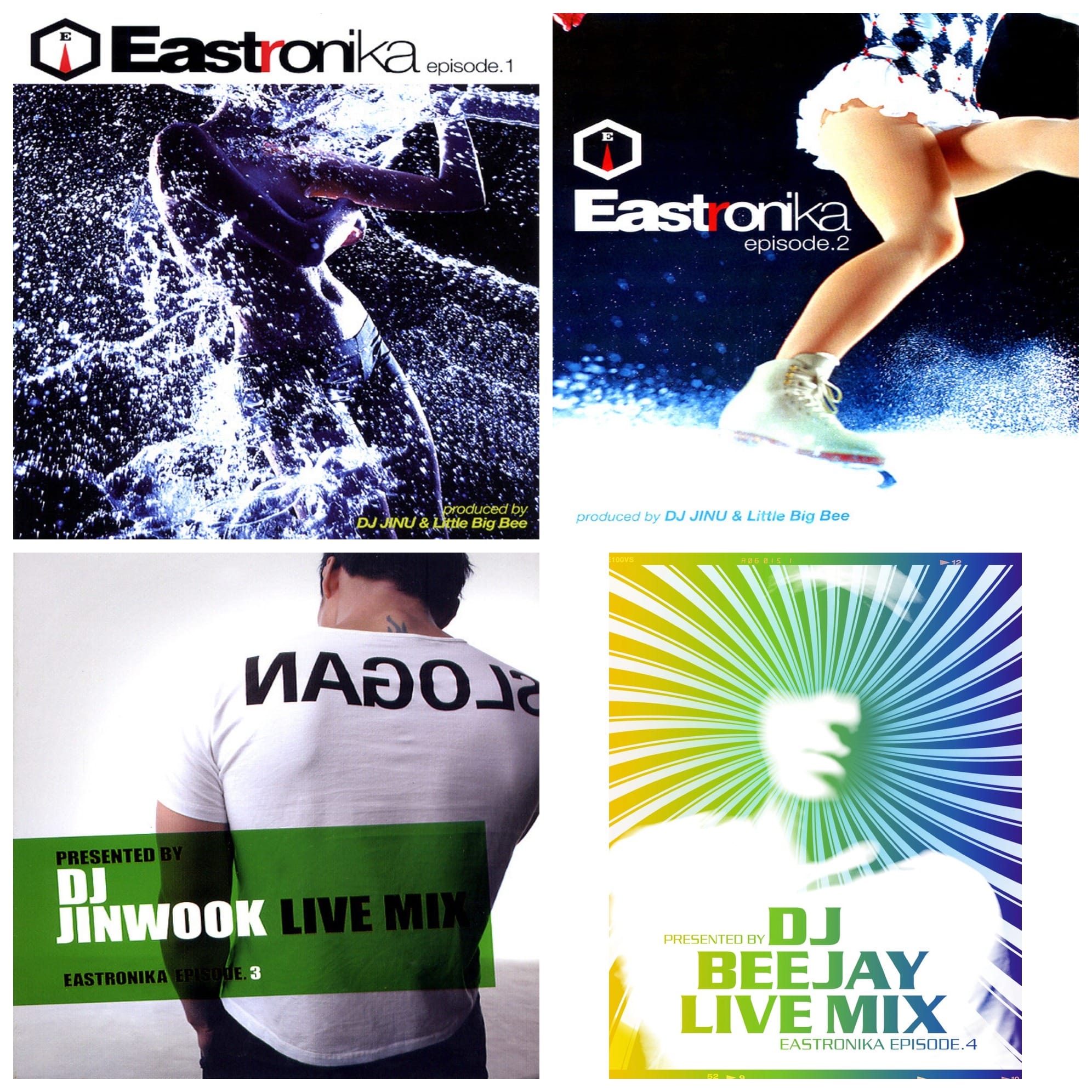
The person who came was Lee Jihyung. The plan at first was only to put out Flower's catalogue in Korea, but the talks went well and the idea kept growing: “But once we started talking, it became let's do something together.” That, as LITTLE BIG BEE remembers it, is how Eastronika began, with Korean and Japanese electronic musicians on the same record. Why Flower? The details are hazy now, but the contact had come to Japan, gone around the record shops and CD shops, bought a whole lot of CDs and listened to them, and then got in touch.
Twenty years later, four of the people behind that compilation met again for a party at XIMXIM in Seoul. Before it started, LITTLE BIG BEE sat down with music journalist Lee Daehwa for 25 minutes.
Record shops with nothing from Japan
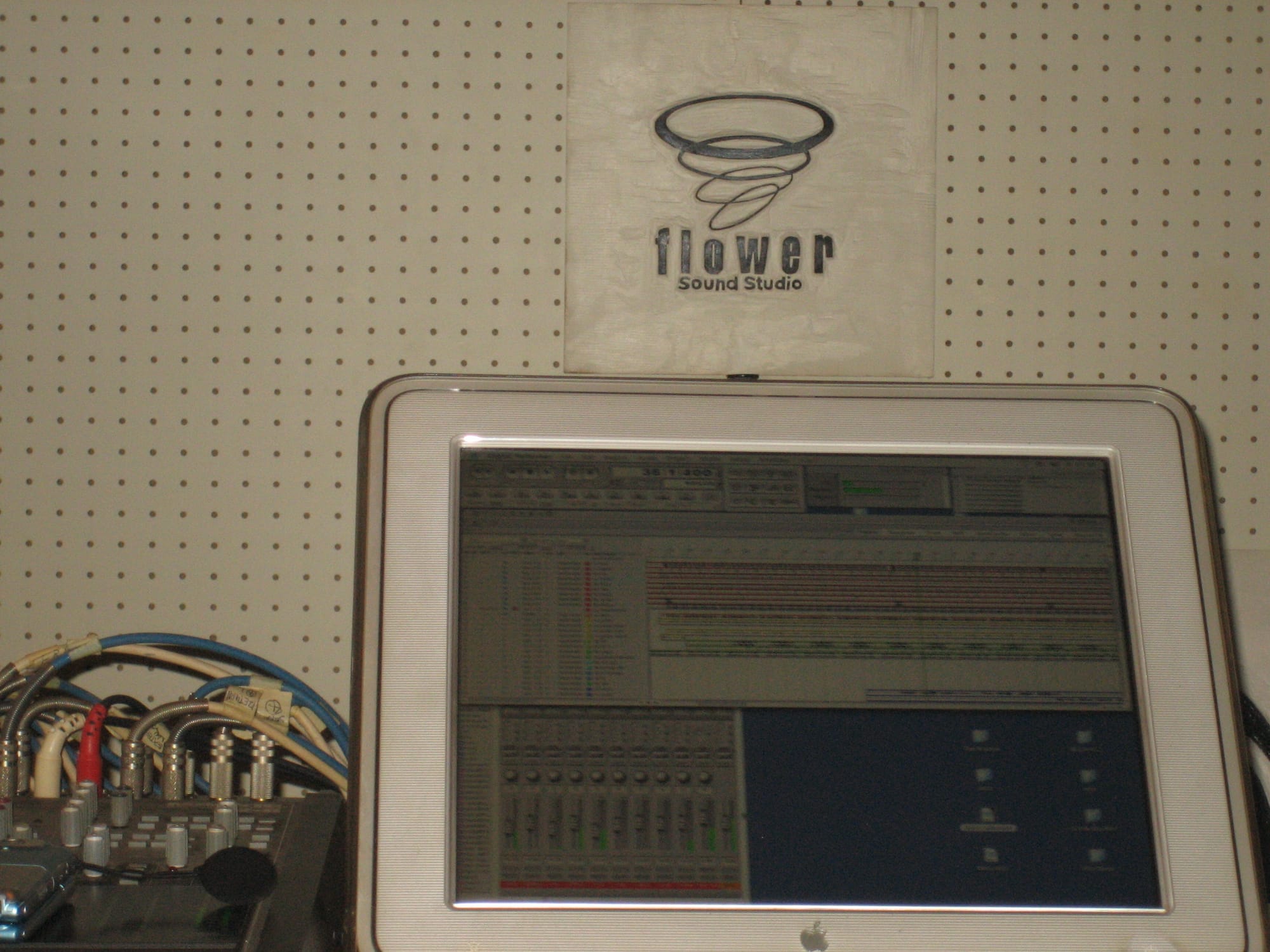
Flower Records started in 1995. In the early '90s, LITTLE BIG BEE was working as a club DJ, and the record shops were full of independent releases from America and Europe. There was almost nothing by people making music in Japan. LITTLE BIG BEE was doing remixes and production, and so were a lot of friends. “So I thought it'd be good to create an environment where we could put it out. That's how it started.”
The direction has not changed: a label for DJs, dance music, and in genre terms house, reggae, funk and jazz. Nearly a decade later, it was this label's CDs that the contact from Korea picked up in shops in Japan.
Soft, but you could dance
Back then, Lee Daehwa points out, Japanese acts like FPM and Nujabes were hugely popular in Korea, right after a global run of hard music like big beat and techno. Why was Japanese electronic music softer? LITTLE BIG BEE says it is hard to point to one clear reason, then brings up free soul, which young people in Japan loved from the '90s on. “So it was melodious and soft, but you could still dance to it.”
Big clubs and raves in Japan had plenty of trance and techno too. At the same time there were smaller clubs, a jazz club scene from the late '80s, melodies with lots of chord changes and the beats of rare groove, all overlapping by the mid-'90s. Cafes and hotel lounges were full of that lounge music. It was not far from what Lee Daehwa describes in Korea, where clubs kept the hard music and the softer electronic music lived in the background music of blogs.
The first night in Korea
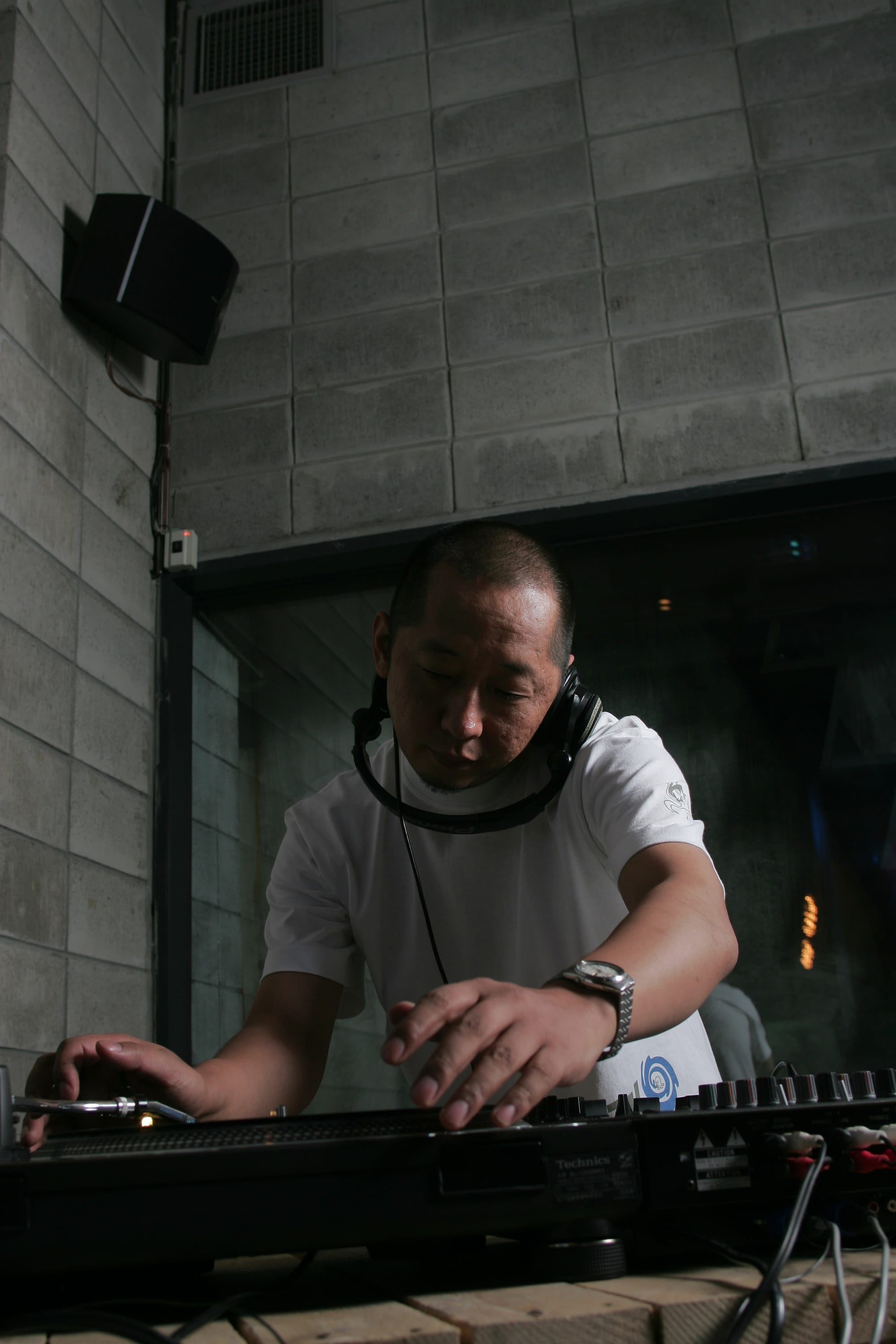
The first time LITTLE BIG BEE DJed in Korea, what stood out was how much people danced. Japanese crowds lean quiet. Korean crowds did not. “Seeing them dance was so gratifying, it was fun, and that was a really striking atmosphere.”
Eastronika led to more work with artists and DJs in Korea. Romantic Couch released a CD album on Flower Records and played shows in Japan. With DJ Jinwook, who was on Eastronika, LITTLE BIG BEE still plays in Tokyo and in Seoul.
Seoul and Tokyo, now
Bringing an artist from America costs far more than bringing one from elsewhere in Asia, Lee Daehwa notes, yet Korean fans still mostly turn out for American and European acts. LITTLE BIG BEE sees a much better picture than back then: “there's way more exchange now between Korean DJs and Japanese DJs.” The venues have crossed over too. KOMPAKT RECORD BAR from Korea now has a place in Japan, and MUSIC BAR LION from Japan is said to be opening in Seoul. Young DJs move between them, playing in Seoul and in Tokyo.
In Japan, a lot of those young DJs, people in their twenties, play vinyl. They grew up streaming, so why records? Their parents went out clubbing a lot when they were young, so there is a turntable at home, and records too. They grew up with that music, and as LITTLE BIG BEE puts it, “now those young kids are carrying it on, I think.”
Same club, a different genre every night
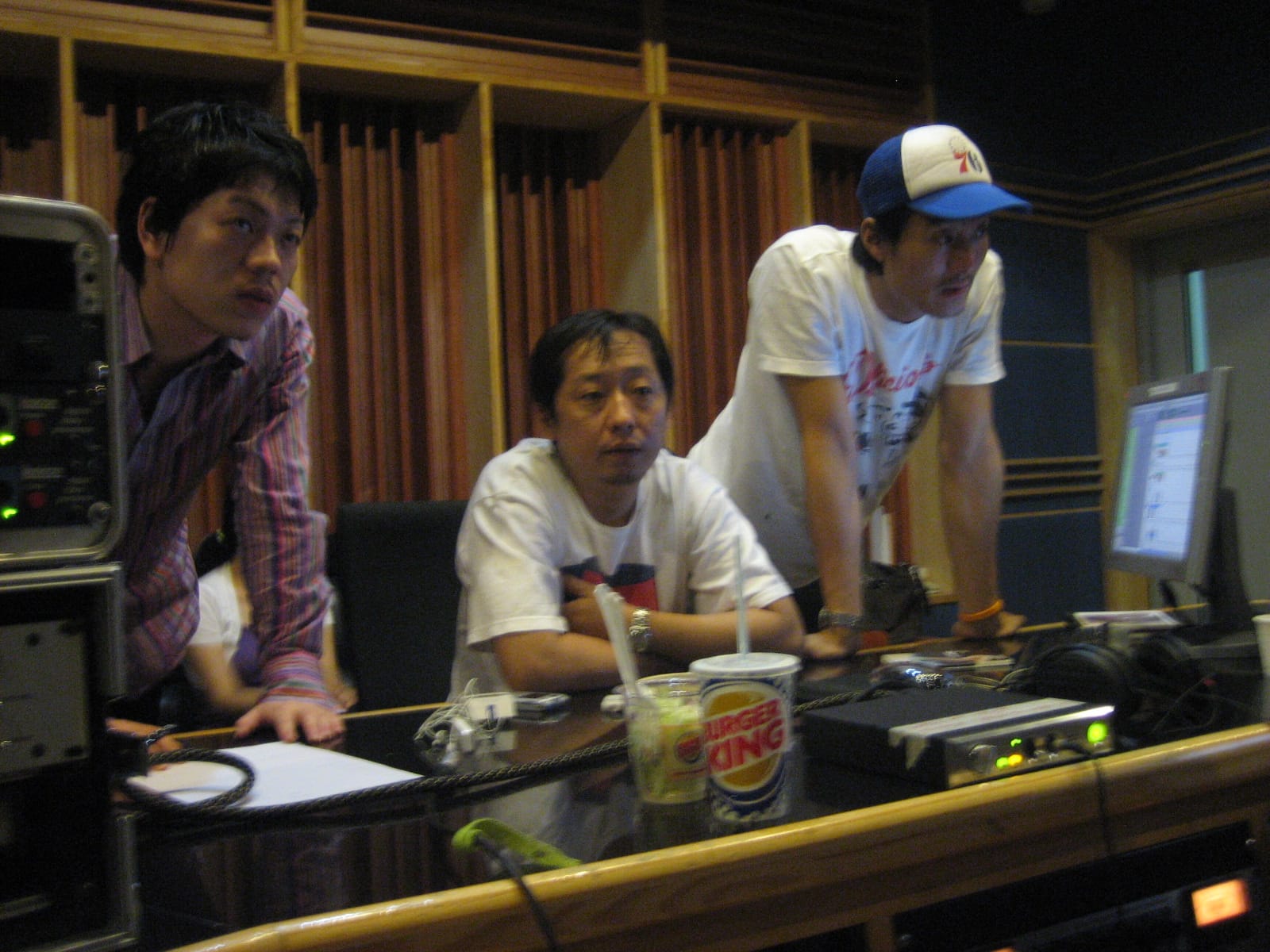
COVID hit Japan the way it hit Korea. Venues were shut for too long, the foundation of people's lives changed, and the crowds still have not come back the way they were. Genres are another story. In Korea, Lee Daehwa says, dark, deep techno has become the baseline. In Japan, techno, house and jazz each still have their scene. “They just do it properly.”
The roots go back a long way. Japan's club scene got going in the early '80s, around '82 or '83. The same club would play techno tonight, jazz tomorrow, rare groove the day after, then reggae, then funk. In Korea, Lee Daehwa adds, it really took off in the late '90s. “There was a lot of that from the '80s on.”
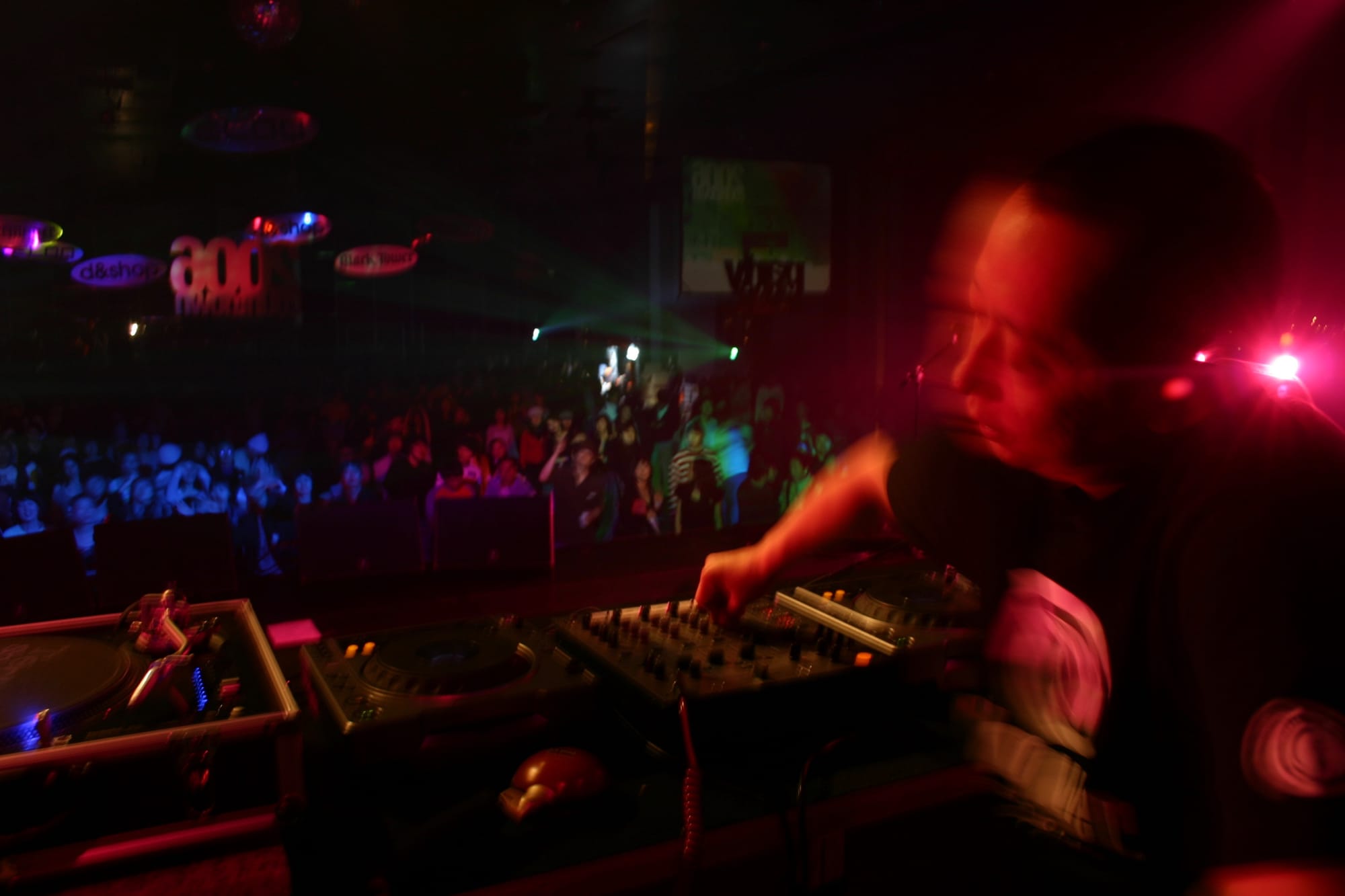
In 2019, LITTLE BIG BEE played the very last set of the day at DMZ Peace Train in Korea, invited by someone met back in the early years of going back and forth, some twenty years now. On the night of the party, the talk came back to people. Beejay, after a long time. DJ Jinwook, for the first time in about a year. Sunaga t Experience, over from Japan. More than what LITTLE BIG BEE was going to play, the plan was to enjoy the music of the people playing alongside. “I'm just hoping to have a good time.”
LITTLE BIG BEE: 이스트로니카 20년, 서울과 도쿄 사이
LITTLE BIG BEE(서영철)는 주로 도쿄에서 DJ로 활동하고, 1995년 레이블 플라워 레코드를 시작했다. 팀 LITTLE BIG BEE는 서영철과 PLAZA Fujisaki, Kenji Jinguji 세 사람이다. 이 글에서는 대화에 나온 서영철을 LITTLE BIG BEE로 쓴다. 2005년 한국과 일본의 전자음악가가 함께한 컴필레이션 이스트로니카에 참여했고, 2026년 11월 6일 성수 XIMXIM의 '20 YEARS AFTER EASTRONIKA'에서 Sunaga t Experience, Beejay, DJ Jinwook, LeNoir와 함께 틀었다.
2004년 무렵, 일본의 플라워 레코드에 한국의 한 회사가 보낸 팩스가 왔다. 플라워에서 내는 작품을 한국에서 발매하고 싶으니, 일본에 출장 가면 만날 수 있겠냐는 내용이었다.
찾아온 담당자는 이지형이었다. 처음 기획은 플라워의 음반을 한국에 내는 것뿐이었는데, 이야기가 잘 풀리면서 판이 커졌다. “좀 같이 여러 뭔가 해보자.” 한국과 일본의 전자음악가가 한 장에 모인 이스트로니카는 그렇게 시작됐다고 LITTLE BIG BEE는 기억한다. 왜 플라워였을까. 자세히 들은 기억은 없지만, 담당자가 일본에 와서 판 가게와 CD 가게를 돌며 CD를 잔뜩 사 들은 뒤 연락해 온 것 같다고 했다.
20년이 지나, 그 컴필레이션을 만든 사람 가운데 네 명이 서울 XIMXIM에서 다시 파티를 열었다. 파티를 앞두고 LITTLE BIG BEE가 음악 저널리스트 이대화와 나눈 25분이다.
판 가게에 없던 음악
플라워 레코드는 1995년에 시작했다. 클럽 DJ로 활동하던 90년대 초, 판 가게에는 미국과 유럽의 인디펜던트 음반이 많았지만 일본에서 음악을 만드는 사람들의 작품은 거의 없었다. LITTLE BIG BEE도 리믹스와 프로듀싱을 했고, 주변에도 그런 친구가 많았다. “이걸 어떻게 낼 수 있는 그런 환경을 좀 만들면 좋겠다고 해서 그래서 시작한 거네요.”
레이블의 방향은 그때나 지금이나 같다. DJ를 위한 댄스 음악, 장르로는 하우스와 레게, 펑크, 재즈다. 10년쯤 뒤 한국에서 온 담당자가 일본의 가게에서 집어 든 것도 이 레이블의 CD였다.
부드러운데 춤출 수 있는
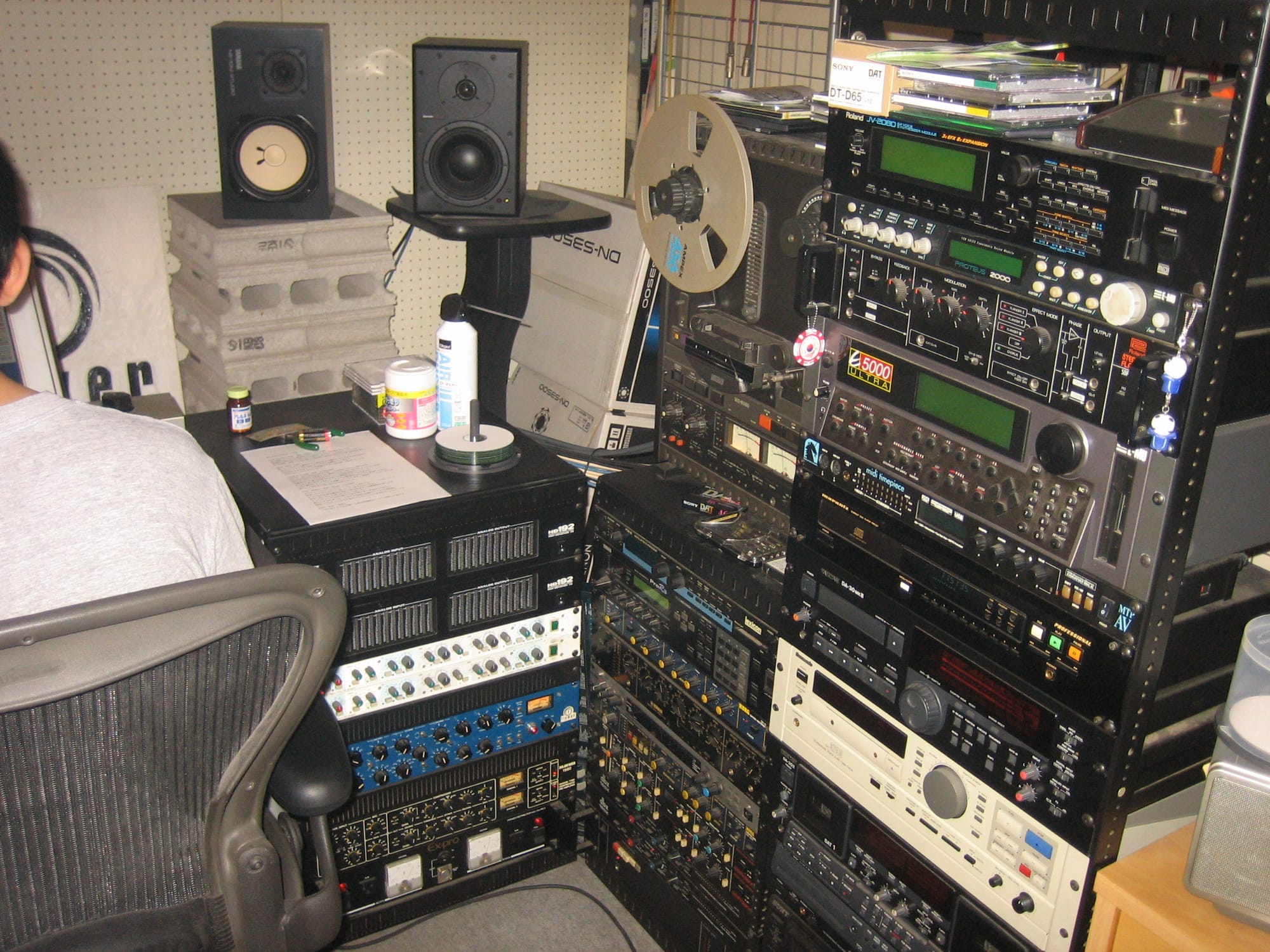
그 시절 한국에서는 FPM과 Nujabes 같은 일본 음악이 크게 사랑받았다고 이대화는 말한다. 바로 앞 시대 세계 전자음악의 흐름은 빅비트와 테크노 같은 센 음악이었다. 일본 전자음악은 왜 더 부드러웠을까. LITTLE BIG BEE는 딱 잘라 말하기는 어렵다고 전제한 뒤, 90년대부터 젊은 사람들이 즐겨 듣던 프리 소울을 꺼냈다. “그래서 좀 멜로디아스하고 좀 부드럽고 그런데도 춤을 출 수 있는데.”
일본도 큰 클럽과 레이브 파티에서는 트랜스와 테크노가 많았다. 동시에 작은 클럽이 있었고, 80년대 말부터 재즈 클럽과 재즈 씬이 있었다. 코드가 많이 바뀌는 멜로디와 레어 그루브의 비트가 90년대 중반에 겹쳤고, 카페와 호텔 라운지에도 그런 라운지 음악이 많았다. 클럽에서는 센 음악이 사랑받고 블로그 배경음악에서는 부드러운 전자음악이 인기였다는 한국 사정과 크게 다르지 않았다.
처음 한국에서 튼 날
처음 한국에서 DJ를 했을 때 눈에 들어온 것은 엄청나게 춤을 추는 사람들이었다. 일본 관객은 조용한 편인데, 한국 관객은 그렇지 않았다. “춤을 추는 걸 봐서 너무 고마웠고 재미있었고 그거는 너무 인상적인 그런 분위기였어요.”
이스트로니카를 계기로 한국의 아티스트, DJ와 작업이 이어졌다. Romantic Couch는 플라워 레코드에서 CD 앨범을 내고 일본에서 공연했다. 이스트로니카에 참여한 DJ Jinwook과는 지금도 도쿄와 서울에서 같이 DJ를 한다.
서울과 도쿄, 지금
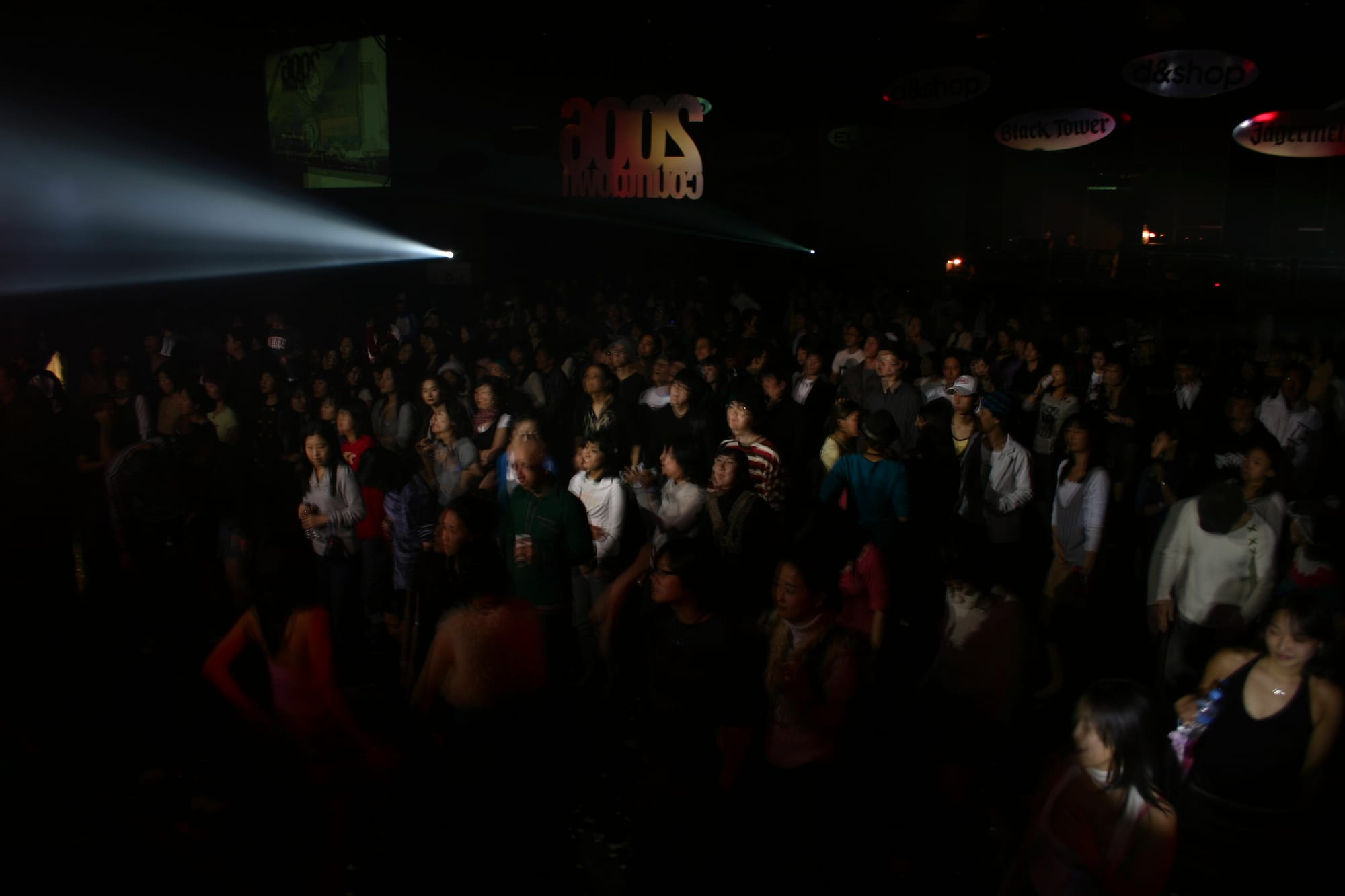
미국 아티스트를 부르는 비용은 아시아 아티스트를 부르는 비용과 차이가 크다. 그런데도 한국 팬은 여전히 미국과 유럽 아티스트의 내한에 주로 반응한다고 이대화가 묻자, LITTLE BIG BEE는 그때보다 지금이 훨씬 낫다고 봤다. “한국 DJ들과 일본 DJ들 교류가 많이 생겼고”, 가게도 서로의 나라로 건너갔다. 한국의 콤팩트(KOMPAKT RECORD BAR)는 일본에도 생겼고, 일본의 라이온(MUSIC BAR LION)은 서울에 문을 연다는 소식이 들린다. 젊은 DJ들은 그 사이를 오가며 서울과 도쿄에서 튼다.
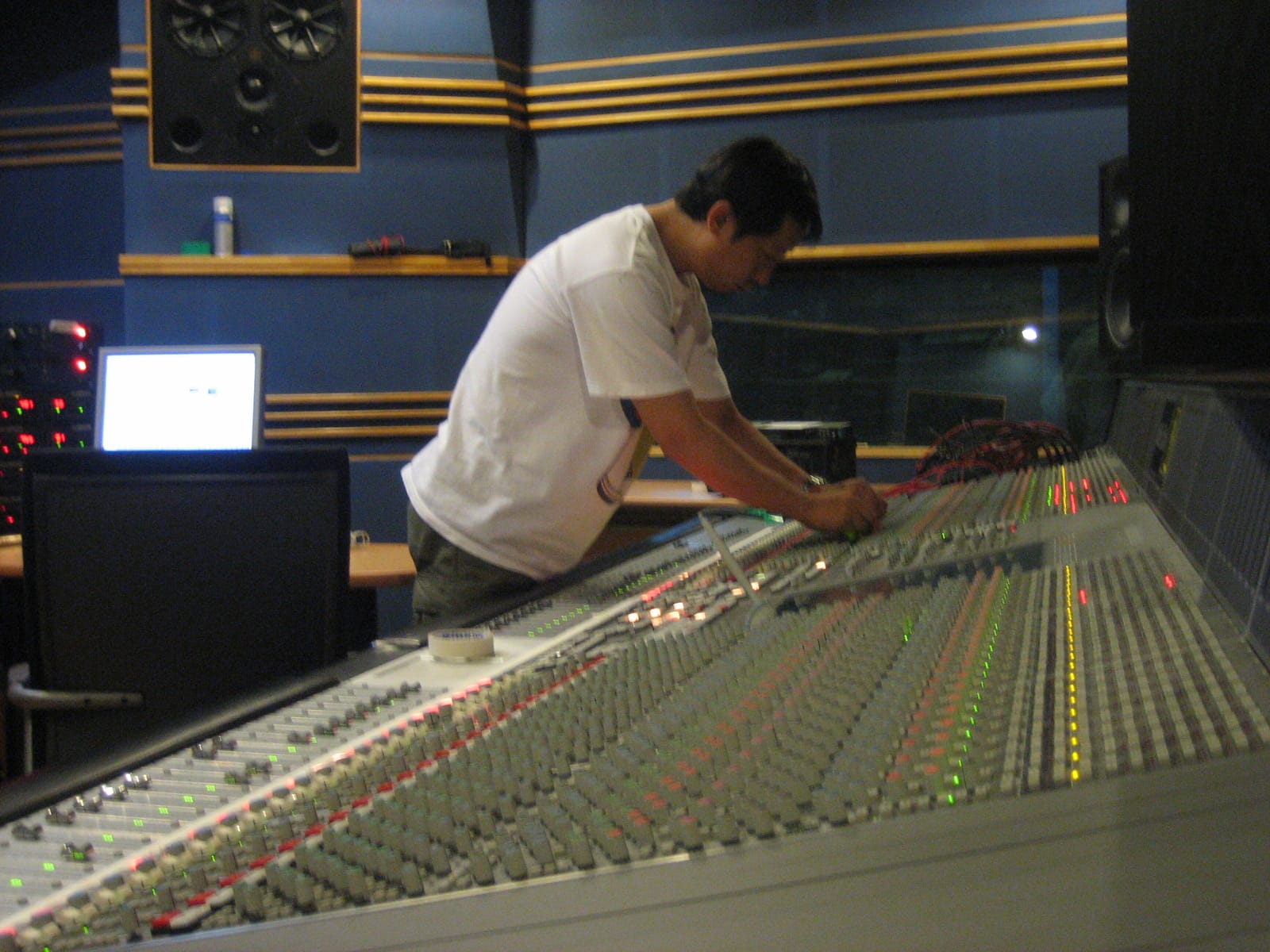
일본에서는 그 젊은 DJ들 가운데 LP로 트는 20대가 많이 생겼다. 스트리밍으로 음악을 듣고 자란 세대인데 왜 LP일까. 이야기를 나눠 보면 부모가 젊을 때 클럽에서 많이 놀던 사람들이라, 집에 턴테이블이 있고 LP도 있었다. “이제 지금 그걸 이어가서 하고 있는 것 같아요.”
같은 클럽, 날마다 다른 장르
코로나는 일본에도 한국만큼 컸다. 가게를 못 여는 시간이 너무 길었고, 사람들 생활의 바탕이 바뀌어 지금도 예전처럼 돌아오지 않았다. 장르 사정은 다르다. 한국은 어둡고 딥한 테크노가 기본이 됐다고 이대화가 말하자, LITTLE BIG BEE는 일본엔 테크노도 하우스도 재즈도 씬이 다 그대로 있다고 답했다. “그냥 제대로 하는 것 같아요.”
뿌리는 오래됐다. 일본의 클럽 씬은 80년대 초, 82년이나 83년쯤 시작했다. 같은 클럽에서 오늘은 테크노, 내일은 재즈, 다음 날은 레어 그루브, 그다음 날은 레게와 펑크를 틀었다. 한국은 90년대 후반부터 본격적이었다고 이대화가 덧붙였다. “80년대부터 그런 건 많이 있었어요.”
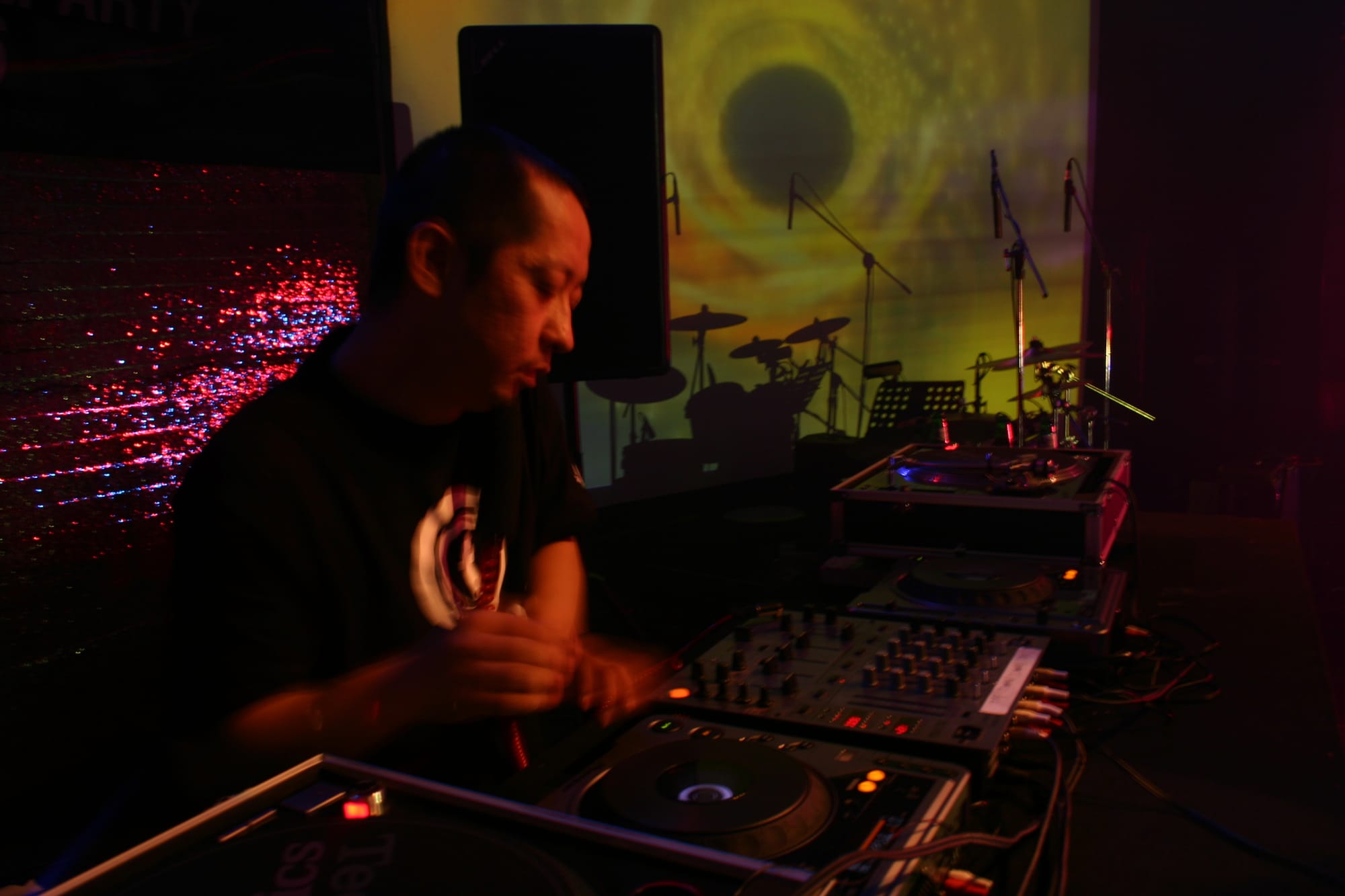
2019년 DMZ 피스트레인에서는 그날 맨 마지막 무대에서 연주했다. 한국을 오간 지 20년쯤, 옛날에 만난 사람이 불러 준 자리였다. 파티를 앞두고 이야기는 다시 사람으로 돌아왔다. Beejay를 오랜만에 만났고, DJ Jinwook과는 1년 만에 같이 튼다. 일본에서 온 Sunaga t Experience도 함께다. 무엇을 트느냐보다 함께 트는 사람들의 음악을 즐겨 듣고 싶다고 했다. “좋은 시간을 지내려고 해요.”
Listen to the Floor Session
LITTLE BIG BEE's floor session at '20 YEARS AFTER EASTRONIKA', XIMXIM in Seongsu, November 6, 2026.
2026년 11월 6일 성수 XIMXIM '20 YEARS AFTER EASTRONIKA'에서 튼 LITTLE BIG BEE의 플로어 세션.