KIRARA | MIXMIX TALK SESSION

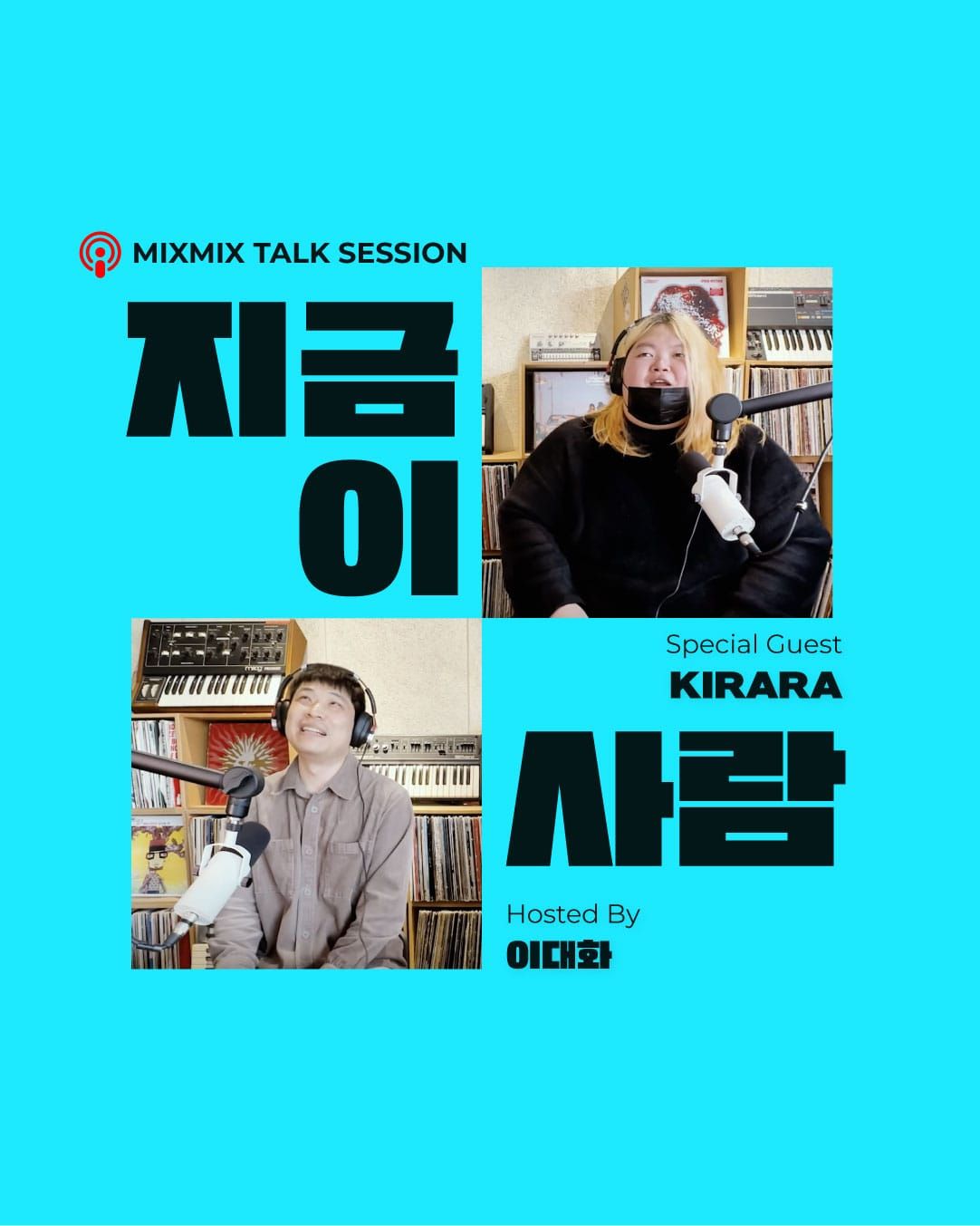
Watch the Talk Session
On the edge of the dancefloor, always
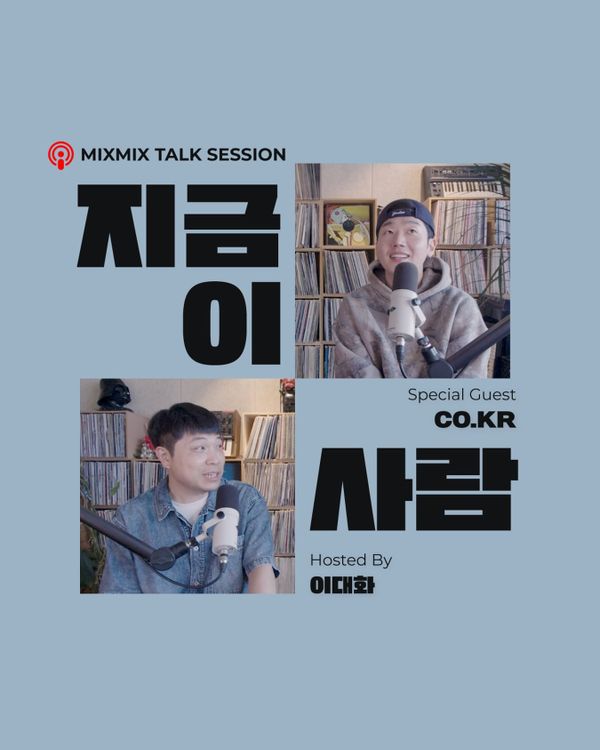
Hosted by LEEDAEHWA
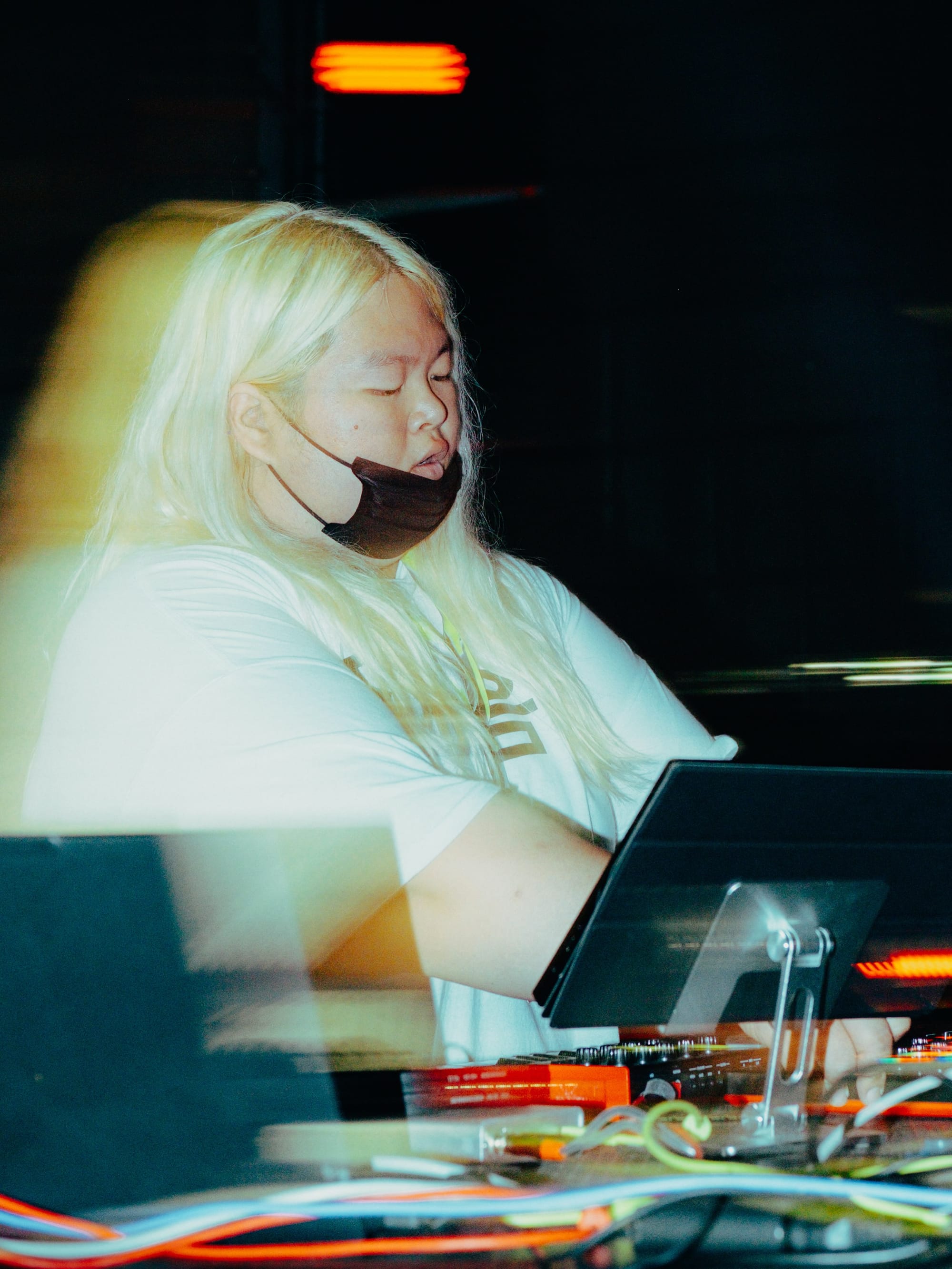
KIRARA arrived with a hoarse voice. She'd been lecturing — on the history of electronic music, she said, with the kind of enthusiasm that apparently costs you your throat. It was a few weeks after her fifth studio album, also called KIRARA, had come out on February 22nd. The self-titled move was deliberate. “I calculated it,” she said. “The only card I hadn't played yet was my own name.”
The Healthiest Album She's Ever Made
Albums three and four were made from grief, anger, loss. Someone died; something broke. KIRARA describes her back catalog the way you'd describe a medical history. This one was different. “I wanted to make an album that wasn't about using music to cover up some feeling,” she said. “I wanted to leave proof that I also just love music for what it is.” When that thought arrived, she knew she was okay. The album title followed. So did the decision to bring in seven collaborating acts. She'd read a comment on DCinside before starting: your music is self-repetitive, but I respect you for doing it so long. She turned it over and over. What she landed on wasn't defensiveness. It was a plan: put yourself in a corner. Invite Hollow Jan in and see what happens. What happened was screaming, and a wider spectrum than anything she'd made before.

Boiler Room on the Living Room Screen
KIRARA has always wanted to be in the club. She still does. The DJs, the people, the whole atmosphere — she described it as a longing that hasn't gone away. But going was hard. As a transgender person navigating Korean club culture, she felt the friction directly. “It felt like a place that was difficult for someone with a non-standard gender to fit into,” she said. So she watched from home. Boiler Room on the screen, Ed Banger Records in the speakers — Justice, The Chemical Brothers, the whole lineage she'd absorbed through radio and streams before she ever set foot in a room. She thought she'd grow up to wear a leather jacket and DJ alongside those people. It didn't happen that way. That gap — spirit present, body not quite belonging — is the condition her music was made in. It's also why she eventually started DJing under a separate alias. The reasoning was practical: too many promoters couldn't tell the difference between a live set and a DJ set anyway. Might as well take both bookings.
Particles, Not Reverb
When the host noted that KIRARA's music runs fast — that there's a particular momentum to it — she had a specific answer. She doesn't use much reverb. Not because she dislikes it, she clarified quickly, but because clarity is the point. “If I keep things distinct, the texture comes through. When those particles line up, people feel the speed.” It's the same instinct that draws her to Justice's bass synths crawling forward in the mix, or to The Chemical Brothers hitting hard while still landing emotionally. “Star Guitar” is her favorite Chemical Brothers track, she said — the gentle one, the one that doesn't just hit but makes you feel something. After more than eleven years of making music, starting at fourteen in front of a computer, those preferences have stopped being choices. “It just comes out,” she said. She can sit down intending to make R&B and still end up with something that sounds like herself. She's stopped being bothered by that.
At the end of the conversation she mentioned the moment she loves most after a show in Seoul: getting into a cab to Incheon and disappearing. Her label, her mother, her fans — everyone wants her to live in Seoul, she said. She's aware. She's staying in Yeongjongdo anyway.
경계 위의 전자음악가, KIRARA
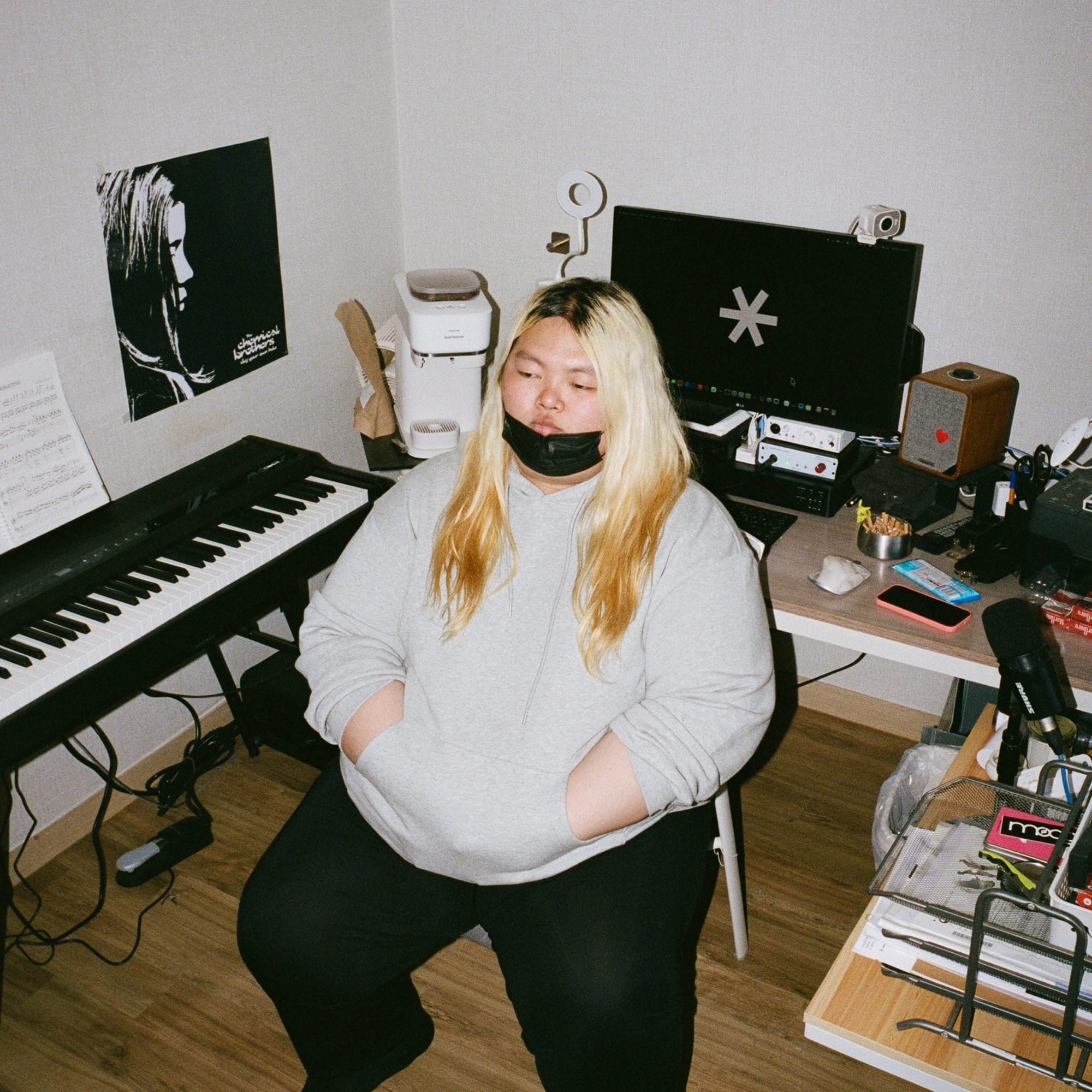
인터뷰 당일 KIRARA는 강의를 너무 열심히 하다가 목이 쉰 채로 왔다. 전자음악의 역사를 이야기하다가 그렇게 됐다고 했다. 그 말을 꺼내자마자 스스로 창피하다고 덧붙였다. 정규 5집 《키라라》가 나온 지 얼마 되지 않은 시점이었고, 4월 19일 무신사 개러지 단독 공연을 앞두고 있었다. 그는 앨범 제목을 자기 이름으로 지은 이유를 묻는 말에 이렇게 답했다. “노렸습니다.” 사람들을 놀래키고 싶었고, 남은 카드가 셀프타이틀이었다고 했다.
이목을 끌기 위해, 그리고 그것만은 아닌
셀프타이틀은 계산이었다. KIRARA 본인이 그렇게 말했다. 5집까지 오면서 아직 쓰지 않은 카드가 자기 이름뿐이었고, 사람들의 이목을 끌고 싶었다. 그런데 그 이유만은 아니었다. 3집과 4집은 우울해서, 슬퍼서, 화나서 만든 앨범이었다. 누군가의 죽음으로 만든 앨범도 있었다. 이번엔 그런 사연 없이 음악 자체가 좋아서 만든 앨범을 남기고 싶었다고 했다. “음악이라는 것을 어떤 감정이나 기분을 덮는 수단으로서만 이용하는 것이 아니라, 나도 그 음악에 있는 그대로를 좋아하는 사람이라는 것을, 나도 그런 면이 있다는 것을 언젠가는 꼭 남겨보고 싶었던 거죠.” 그 생각이 들었을 때 스스로 건강하다고 느꼈고, 그래서 앨범 제목이 《키라라》가 됐다고 했다. 영종도에 작업실을 두고 서울과 나눠 사는 루틴이 생긴 것도, 까미뮤직과 함께 일하기 시작한 것도 그 상태를 만드는 데 기여했다.
동경하는 것과 속하는 것 사이
KIRARA는 클럽을 동경한다. 지금도 그렇다고 했다. DJ 문화, 거기 모이는 사람들, 그 공기 전체가 부럽다고 했다. 그런데 막상 가면 불편하고 힘들었다. “저 같은 좀 성별이 별난 사람이 섞이기 어려운 곳이었던 거 같아요.” 트랜스젠더로 살아간다는 것이 인싸인데 아싸로 사는 것과 비슷하다고 했다. 그래서 집에서 Boiler Room을 틀어놓고 살았다. Justice를 좋아했고, Ed Banger Records가 제일 좋아하는 레이블이라고 했다. 어렸을 때부터 전자음악 라디오로 덕질했고, 크면 가죽 재킷 입고 일렉트로 하우스 하는 사람들이랑 어울릴 줄 알았다고 했다. 그렇게 되지 않았다. 그 미묘한 자리 — 스피릿은 거기 있지만 거기 있는 것 같지도 않은 — 가 KIRARA를 계속 경계 위에 세워뒀다. DJ 농협이라는 이름을 만든 것도 그 경계에서 나온 실용적 결론이었다. 라이브 셋과 DJ 셋을 구분 못 하는 섭외 요청에 응하면서 용돈을 더 벌겠다는 생각이었다고, 직접 그렇게 말했다.
자기 복제라는 말을 곱씹고 나서
앨범을 만들기 전에 디시인사이드에서 댓글 하나를 읽었다. 자기 복제가 심하다, 그런데 오래 열심히 해서 리스펙한다는 내용이었다. 그 댓글이 크게 들어왔다고 했다. 무슨 이상한 짓을 해도 오래 했으니까 사람들이 리스펙을 해주는 국면이 됐다는 생각이 들었고, 그게 신기했다. 그 말을 곱씹다가 내린 결론이 피처링을 많이 데려오는 것이었다. 스스로를 궁지에 몰아넣어야 새로운 게 나온다고 판단했다. 할로우 잰이 들어온 트랙에서는 처절하게 울부짖는 감성이 나왔고, 스펙트럼이 넓어졌다. 그러면서도 여전히 KIRARA 특유의 명징함은 남아 있었다. 리버브를 덜 쓰고, 입자감을 살리고, 소리를 흐리지 않는 방식 — 그게 속도감으로 들린다고 했다. 11년 넘게 컴퓨터 앞에서 음악을 만들어온 결과 이제는 의식하지 않아도 그렇게 나온다고 했다. “그냥 술술 나와요.”
인터뷰가 끝날 무렵 KIRARA는 인천 택시를 타고 영종도로 증발해 버리는 순간이 자기 인생에서 너무 통쾌하다고 했다. 사장님도, 엄마도, 팬들도 서울에 살기를 바란다고 덧붙이면서. 그래도 영종도 살게 내버려 달라고 했다.