Kelly Lee Owens | MIXMIX SELECTS: TALK SESSION

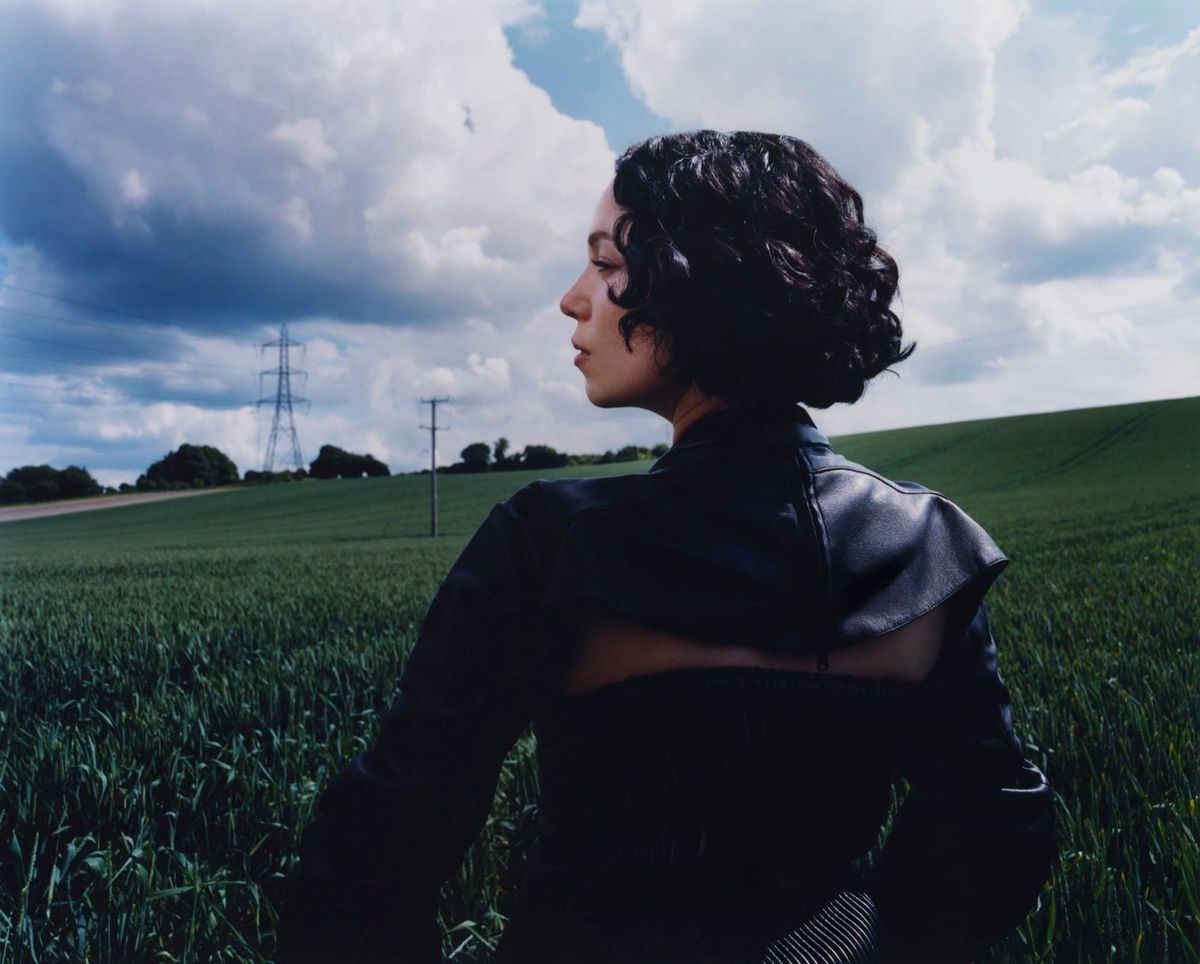
Watch the Talk Session
What the cancer ward gave her, and what the dance floor gave back
Hosted by SARA
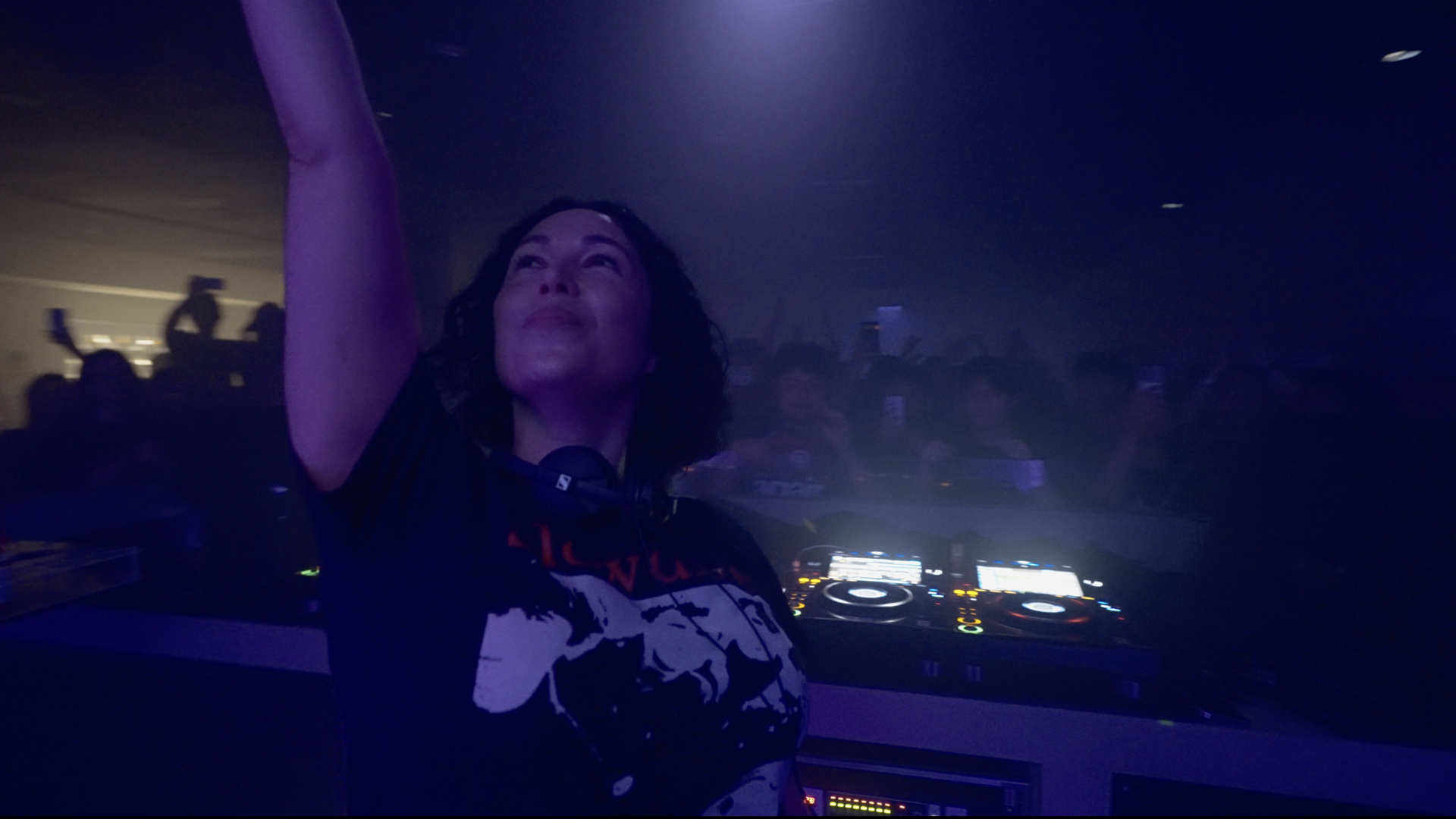
Kelly Lee Owens had been in Seoul less than a day: Korean barbecue the night she landed, a good coffee shop the next morning, and a set ahead of her that would not finish until 3am. She arrived with a black belt and enough Korean to count to ten. The belt she earned as a child, half a world from here. “South Korea felt very far away, and I didn’t know if I would ever come to a place like this,” she says. “But it feels like coming home in a way.” The five tenets she learned back then — courtesy, integrity, perseverance, self-control, indomitable spirit — turned out to be load-bearing. “It’s guided me through my whole life, and therefore career.” The career took a detour first, through a hospital ward.
The Gift of Death
She doesn’t frame it grimly. “I got offered, in a sense, the gift of death,” she says, “because it gave me perspective on how best to live.” The patients she cared for didn’t regret the things they tried and failed. They regretted the things they never tried at all — the things they didn’t do, didn’t say. That distinction became the engine. She’d always known music was the thing. The path just wasn’t visible from where she came from, so she thought practically: nursing homes first, then a cancer specialist hospital. What she found there wasn’t a detour. It was the reason. “It was the patients that helped me to steer back on to the path of music.”
Knowing When to Leave Space
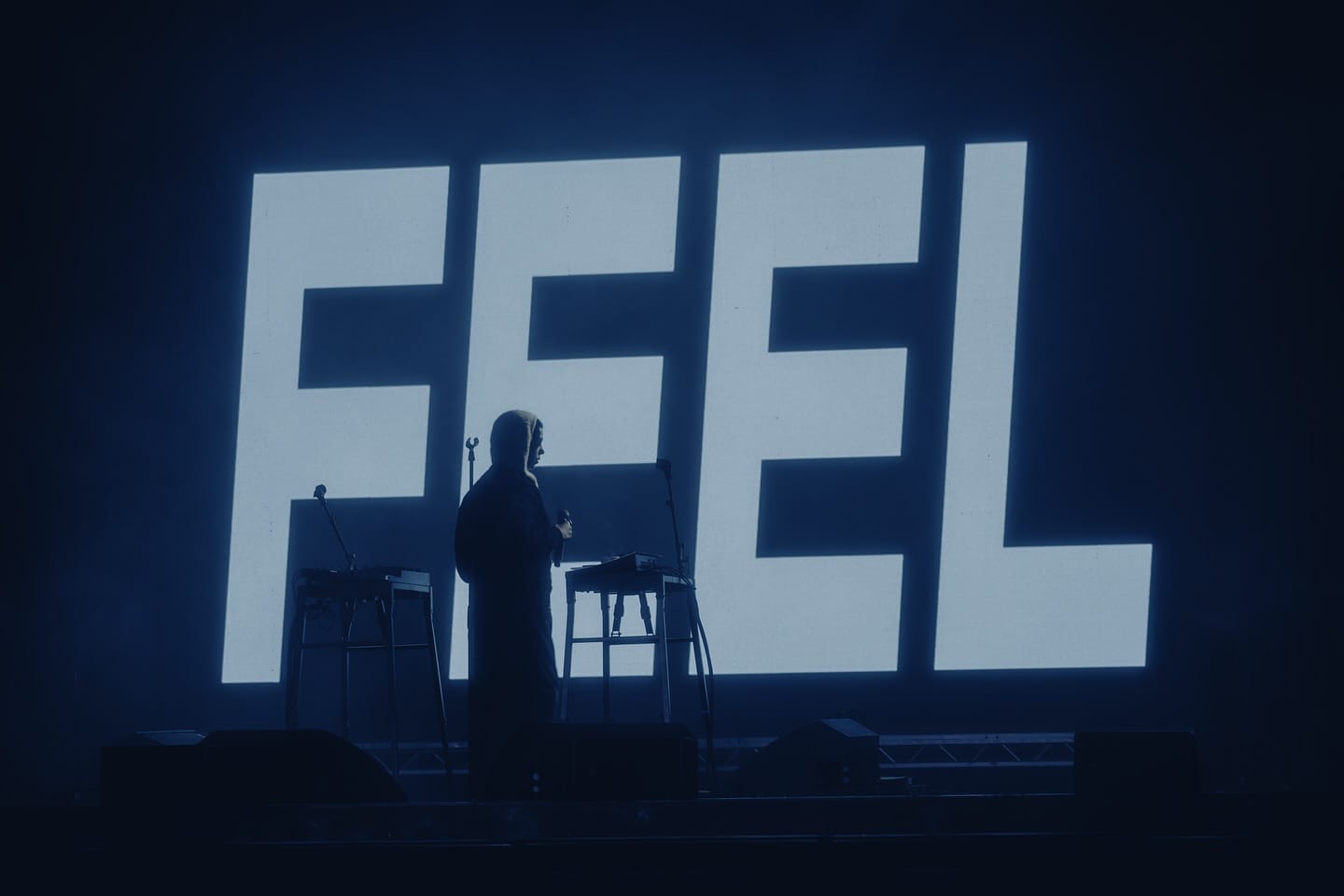
In Wales, everyone’s in a choir. Her voice was her first instrument before a synth was ever in the room. But for a long time she buried it — used it as texture, woven into the fabric alongside the electronics. Four Tet, mentoring from a distance, told her not to hide it on the next record. She listened. Slowly. The decision to strip her own vocals from her cover of Radiohead’s 〈Arpeggi〉 came from the same logic, only inverted. “Thom Yorke’s voice is perfect — I wasn’t going to try and compete with that.” So she moved the emotion into the synths instead, let the arpeggio carry what the voice didn’t need to say. She describes herself as a vessel. Sometimes the material arrives two or three years early — “what I call these cosmic downloads” — as a color, a sentiment, a vision, and the job is to stay humble enough to receive it. “You need to know when to have the silence on the vocals and let the music sing as well.”
Twenty-Seven Was the Right Age
She released her first record at twenty-seven, twenty-eight. She says this often, and deliberately. “There was way too much emphasis on youth and having to create something when you’re 17, 18. At 27 I understood myself, I knew what kind of music I wanted to make.” Jon Hopkins told her years ago that you never get that moment back — the naivety of a debut, the purest form of everything you have been up until that point. She still tells people in their twenties that they are not late. The confidence grows, the life experience changes, the presence follows. She’s the proof.
Moving Your Body Is Therapy
Her music is emotional and healing, and it is built for the dance floor. Asked how she reconciles the two, she declines the premise. “I think they’re the same, I think it’s catharsis ultimately, I think that moving your body is therapy.” Lyrics you connect with are one kind of emotional therapy; a room of people moving together is another. What matters is that such rooms keep existing — somewhere to go and move together in a communal moment. Euphoric or sad, she is always after the same core.
That conviction shapes how she plays. On tour with Depeche Mode she commanded the space differently: vocals, synths under her own hands, sometimes drums, the sound deliberately unlike the record. “I love bands like The Knife who their live shows sound different than the records — the essence is still there.” Seventy-five thousand people a night, and she found the large spaces comfortable. A DJ set is a different kind of journey, but the refusal is identical. “It’s important to not bow down to the crowd so much because people don’t know what they want. They think they do.” The job is to commit to the journey and hand people something they didn’t know they wanted. Next month she does it in London, on a bill Peggy Gou put together.
For someone who lives in transit, the best part is the transit. She likes liminal spaces — airports above all, which she calls quiet moments of peace, and which were built to be exactly that: Brian Eno once made an album for them. “I feel like we don’t take the opportunity enough to be sort of still.” In the quick-fire round, the track on repeat is System of a Down’s 〈Toxicity〉. The sound she wants to take home from Seoul is the birds in the trees — a constant under the city that was new to her ear, and she wants to sample it. A woman whose set that night would not end until 3am, carrying home the quietest thing she heard.
암 병동이 가르쳐준 것, 댄스 플로어가 돌려준 것
켈리 리 오웬스가 서울에 온 지 하루도 되지 않았다. 도착한 밤에는 고기를 구웠고, 아침에는 좋은 카페에 갔고, 그날 밤에는 새벽 3시에야 끝나는 무대가 기다리고 있었다. 그는 한국어로 열까지 셀 줄 알고, 태권도 검은띠를 갖고 있다. 지구 반대편에서, 어릴 때 딴 띠다. “한국은 정말 멀게만 느껴졌어요. 이런 곳에 와볼 수 있을지 몰랐어요. 근데 어떤 면에선 집에 온 것 같은 기분이에요.” 그때 배운 다섯 가지 — 예의, 염치, 인내, 극기, 백절불굴 — 은 지금도 그를 지탱한다. “그게 제 인생 전체를, 그래서 커리어까지 이끌어줬어요.” 다만 그 커리어는 병동을 한 번 거쳐서 왔다.
죽음이 준 것
열여덟에 요양원에서 일하기 시작해 결국 암 전문 병원까지 갔다. 그가 그 시간을 돌아보는 방식은 담담하다. “어떤 의미로는 죽음이라는 선물을 받은 거죠. 어떻게 사는 게 최선인지 알게 됐거든요.” 환자들이 후회하는 건 해보다 실패한 일이 아니었다. 시도하지 않은 것, 하지 않은 것, 말하지 않은 것들이었다. 그 목격이 켈리를 음악으로 밀어넣었다. 의학이냐 음악이냐의 갈림길에서 그는 실은 처음부터 알고 있었던 쪽을 선택했다. “결국 환자분들이 저를 다시 음악의 길로 돌려세워 준 거예요.” 음악이 치유한다는 말이 그에게 비유가 아닌 이유다.
그릇이 되는 법
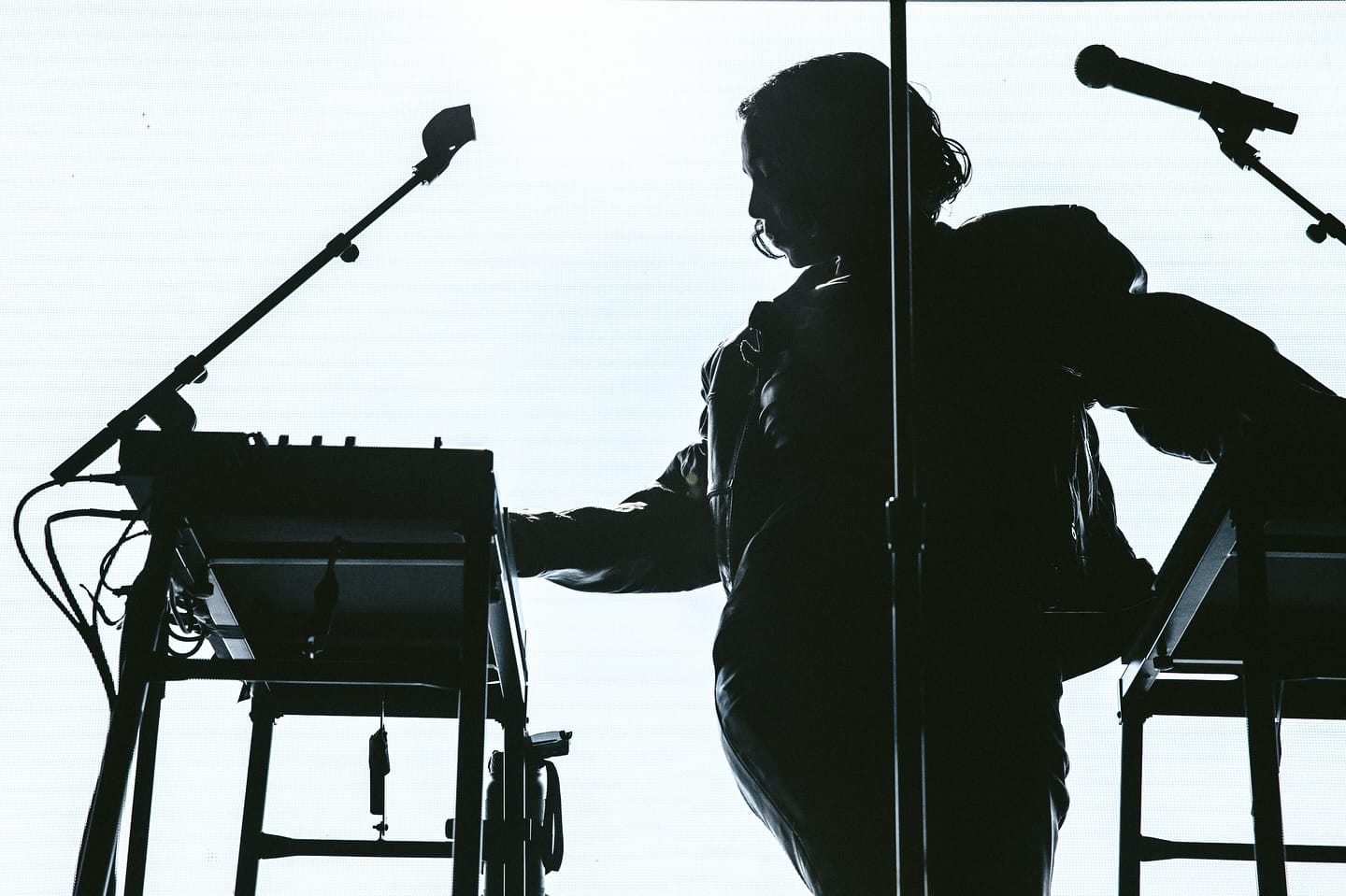
켈리는 자신을 ‘그릇’이라고 부른다. 스튜디오에 들어서기 전까지 무엇이 나올지 자신도 모를 때가 있고, 어떨 때는 2, 3년 전부터 색깔과 정서와 비전이 먼저 온다. 그가 ‘우주가 보내주는 영감’이라고 부르는 것들이다. 웨일스에서 자란 그에게 목소리는 첫 번째 악기였다. 합창단이 일상인 곳이었으니까. 그런데도 초기에는 목소리를 synth 사이에 숨겼다. Four Tet 같은 사람들이 멀리서 “다음 앨범에선 목소리를 숨기지 말라”고 했을 때야 조금씩 앞으로 꺼냈다. 〈Arpeggi〉에서 보컬을 빼기로 한 것도 같은 논리다. Thom Yorke의 목소리는 완벽했고, 거기에 맞서는 건 그의 방식이 아니었다. 대신 그 곡의 감정을 synth로 옮겼다. 언제 비워야 하는지 아는 것, 그것도 그릇의 일이다.
스물일곱이 딱 좋았다
첫 앨범을 낸 건 스물일곱, 스물여덟이었다. 켈리는 이 숫자를 자주 꺼낸다. “젊음에 너무 과한 무게를 두잖아요. 열일곱, 열여덟에 뭔가 만들어내야 한다는 식으로요.” Jon Hopkins와 나눈 대화를 그는 기억한다. 첫 앨범의 그 순간은 다시 오지 않는다고, 그때까지 살아온 전부가 가장 순수한 형태로 나오는 때라고. 그래서 그는 20대에게 늘 같은 말을 한다. 절대 늦지 않았다고, 음악을 고민하기 딱 좋은 때라고. 자신감이 자라고 삶의 경험이 달라지면 존재감은 따라온다고. 본인이 그 증거다.
몸을 움직이는 건 치료다
그의 음악은 감성적이고 치유적이면서 동시에 댄스 플로어를 위한 것이다. 그 둘을 어떻게 하나로 엮느냐고 묻자 그는 엮을 필요가 없다고 답했다. “저는 같은 거라고 봐요. 결국은 카타르시스니까요. 몸을 움직이는 건 치료거든요.” 가사를 듣고 공감하는 것이 한 종류의 감정적 치료라면, 사람들이 모여 함께 움직이는 것은 또 다른 종류다. 중요한 건 그런 공간이 사라지지 않는 것이다. 황홀함이든 슬픔이든, 그가 찾는 건 늘 핵심에 있는 감정 하나다.
이 확신은 그가 무대에 서는 방식까지 정한다. Depeche Mode와의 라이브 투어에서 그는 공간을 전혀 다른 방식으로 장악했다. 보컬이 있고, synth를 직접 연주하고, 가끔은 드럼도 친다. 사운드는 앨범과 일부러 다르다. “The Knife 같은 밴드를 좋아하는데, 라이브가 앨범이랑 다르게 들리거든요. 본질은 그대로지만요.” 하룻밤에 7만 5천 명 앞에 선 적도 있고, 그런 큰 공간이 오히려 편했다. DJ set은 또 다른 종류의 여정이지만 거절하는 방식은 같다. “관객한테 너무 굽히지 않는 게 중요하거든요. 사람들은 자기가 뭘 원하는지 몰라요. 안다고 생각할 뿐이죠.” 아티스트의 일은 하나의 여정에 헌신하고, 원하는지도 몰랐던 것을 들려주는 일이다. 다음 달 런던, Peggy Gou가 꾸린 무대에서 그는 그 일을 한다.
이동 속에 사는 사람에게 가장 좋은 건 이동 그 자체다. 그는 경계 공간을 좋아한다고 했다. 특히 공항. 그에게는 조용한 평화의 순간이고, 원래 그렇게 설계된 곳이다. Brian Eno가 공항을 위한 음악을 앨범으로 만들었으니까. “우리가 가만히 멈춰 있을 기회를 충분히 안 갖는 것 같아요.” 퀵파이어 라운드에서 요즘 반복해 듣는 트랙을 묻자 System of a Down의 〈Toxicity〉라고 답했다. 서울에서 가져가고 싶은 소리는 나무 사이 새소리라고 했다. 도시 아래 늘 깔려 있지만 그의 귀에는 처음인 소리, 샘플링하고 싶다고 했다. 그날 새벽 3시에야 무대를 내려올 사람이, 서울에서 가장 조용한 소리를 가져가겠다고 했다.